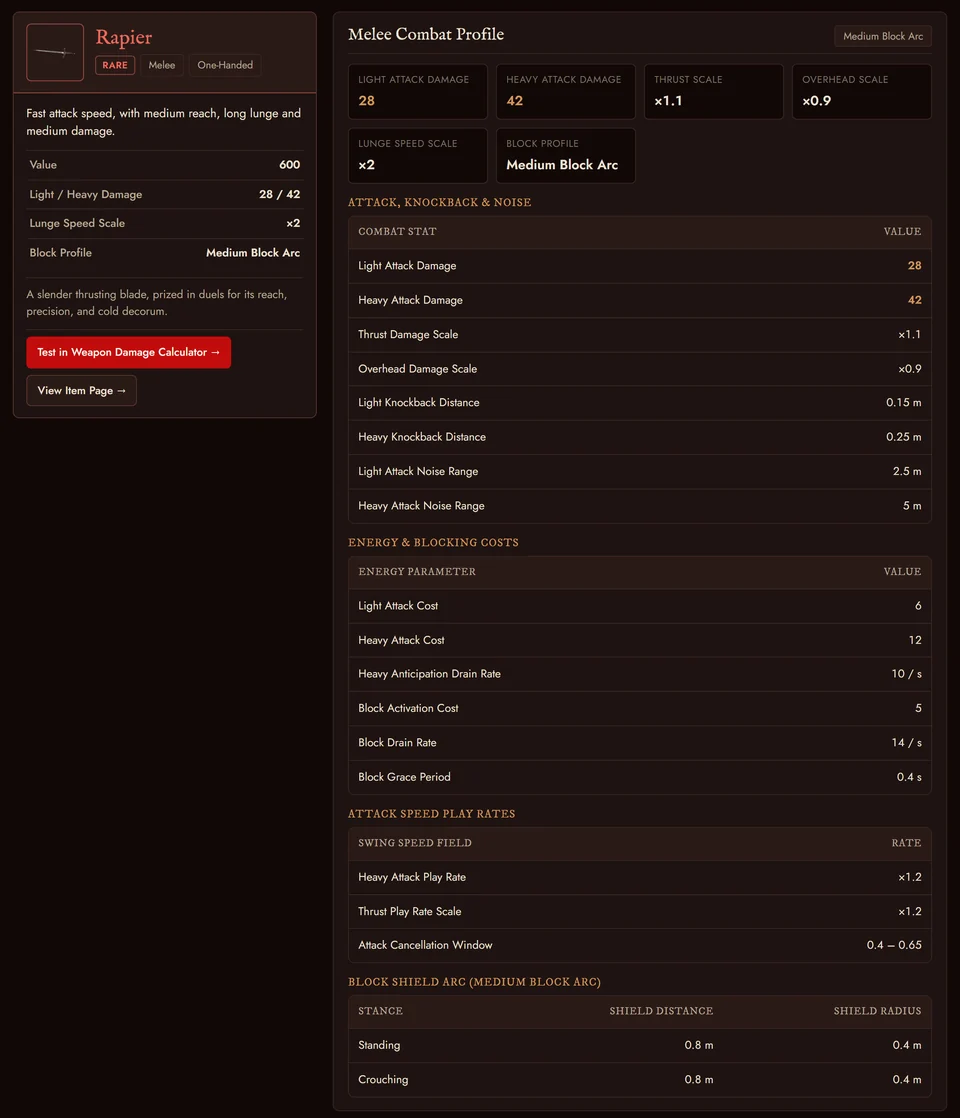
HUNGER How to Lunge and Lunge Mastery Guide
How melee lunging unlocks via Fencing in the Arms mastery tree, Limber and Advanced Footwork lunge speed ranks, and exact lunge speed scales for melee weapons.
On This Page (3)
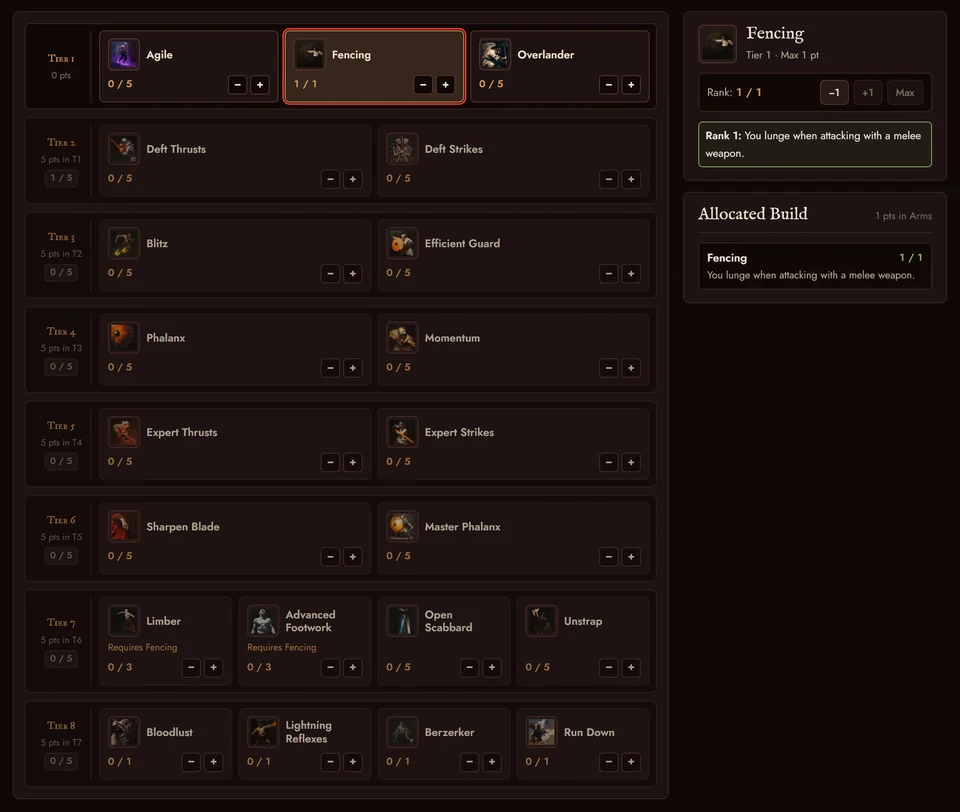
Melee lunging in HUNGER unlocks through the Tier 1 Fencing node in the  Arms mastery tree (“You lunge when attacking with a melee weapon”), while the Tier 7 nodes Limber (one-handed) and Advanced Footwork (two-handed) boost lunge speed by 8%, 16%, and 25% across 3 ranks. Characters earn their first Mastery Point at Level 10 and gain one point each level afterward, so melee builds can unlock Fencing as soon as the Mastery Screen opens. For melee Energy costs, directional swing multipliers, and parrying fundamentals, read our weapons and combat guide.
Lunge mastery nodes in the Arms tree
Each Mastery Tree has eight tiers and requires at least 5 points invested in the previous tier before the next tier unlocks. Fencing sits in Tier 1 with a 1-point cap and no prerequisite, so you can grab it right at Level 10 alongside Tier 1 close-quarters movement nodes like Agile (one-handed speed) or Overlander (two-handed speed).
Reaching the Tier 7 lunge upgrades takes deeper commitment into Arms. Limber and Advanced Footwork both require Fencing as a prerequisite and share the same 3-rank scaling, splitting only by weapon handedness:
| Mastery node | Tree | Tier | Max ranks | Prerequisite | Rank values |
|---|---|---|---|---|---|
| Fencing | Arms | Tier 1 | 1 | — | Unlocks melee lunge |
| Limber | Arms | Tier 7 | 3 | Fencing | +8% / +16% / +25% (one-handed) |
| Advanced Footwork | Arms | Tier 7 | 3 | Fencing | +8% / +16% / +25% (two-handed) |
If you plan to build around lunging melee pressure,  Hugo pairs cleanly with Arms progression through his
 Taste Of Blood passive, which raises all movement speed by 10% whenever a melee weapon is equipped. Compare every playable Living and all five mastery trees in our characters and professions guide, or check early leveling milestones in the beginners guide.
Melee weapon lunge speed scales
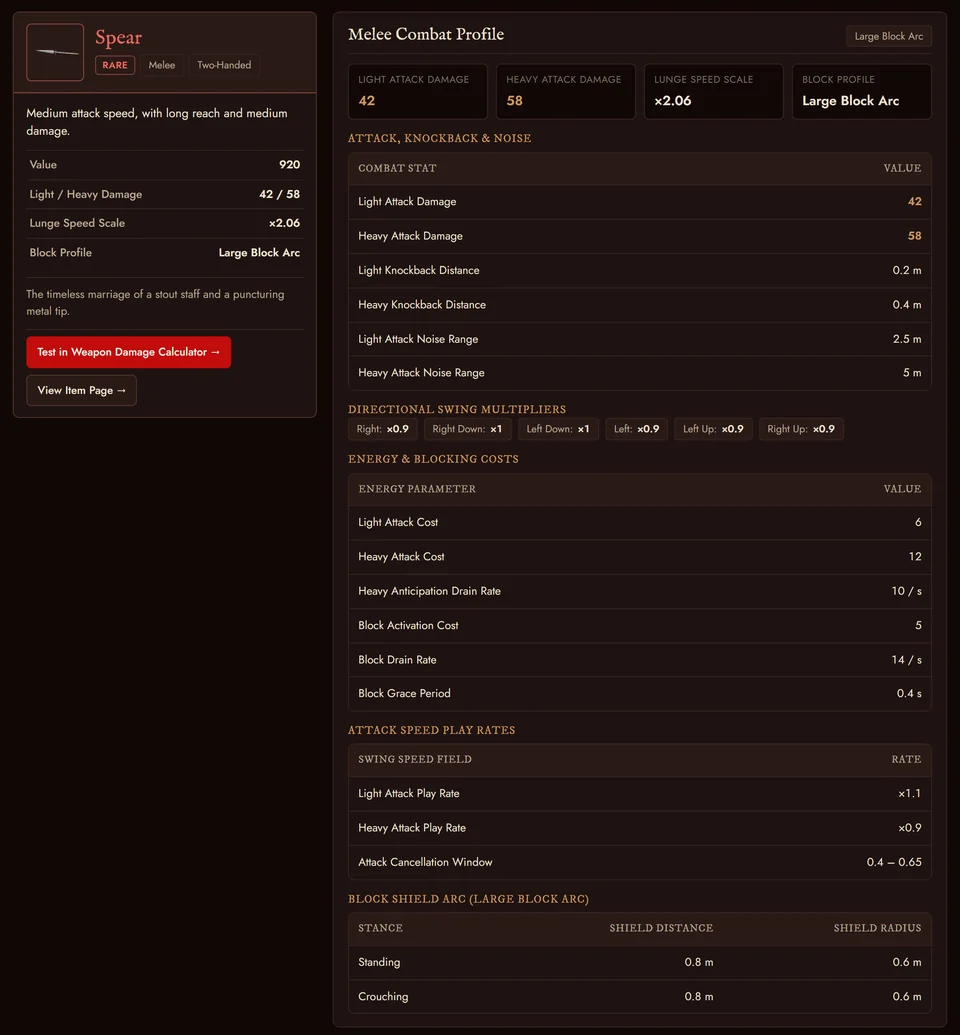
Every standard melee weapon carries a lunge speed scale alongside its light and heavy attack damage values. Out of the 21 melee weapons in the open playtest, the table below ranks every weapon with a listed lunge speed scale from fastest to slowest:
| Weapon | Hands | Rarity | Lunge speed scale | Light damage | Heavy damage |
|---|---|---|---|---|---|
 Spear |
Two-handed | Rare | 2.06 | 42 | 58 |
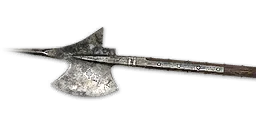 Halberd |
Two-handed | Epic | 2.02 | 46 | 70 |
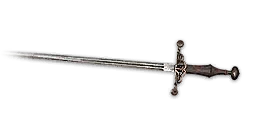 Rapier |
One-handed | Rare | 2.0 | 28 | 42 |
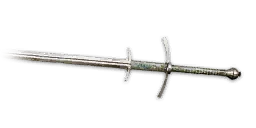 Zweihander |
Two-handed | Legendary | 2.0 | 52 | 82 |
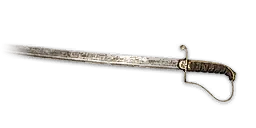 Sabre |
One-handed | Epic | 1.98 | 34 | 50 |
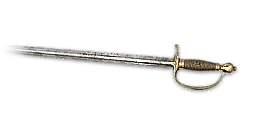 Short Sword |
One-handed | Uncommon | 1.97 | 26 | 34 |
| Kapitel | Two-handed | Epic | 1.97 | 26 | 34 |
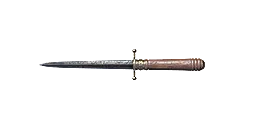 Dagger |
One-handed | Common | 1.96 | 24 | — |
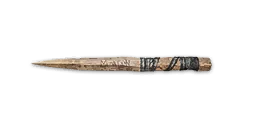 Pricker |
One-handed | Common | 1.95 | — | 25 |
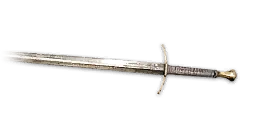 Longsword |
Two-handed | Uncommon | 1.91 | 38 | 49 |
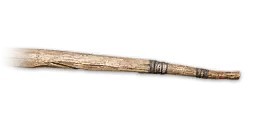 Club |
Two-handed | Common | 1.9 | 34 | 43 |
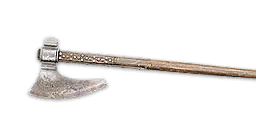 War Axe |
Two-handed | Rare | 1.87 | 40 | 60 |
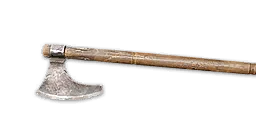 Axe |
One-handed | Rare | 1.85 | 30 | 44 |
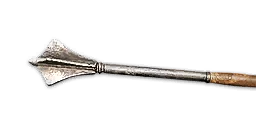 Mace |
One-handed | Uncommon | 1.85 | 30 | 40 |
| Katar | One-handed | Legendary | 1.85 | 39 | 60 |
The remaining melee entries in the open playtest — Flintlock Axe, 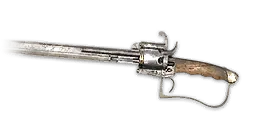 Barking Iron, Sceptre, Morning Star, Flintlock Mace, and Duelling Katars — carry no lunge speed scale yet, and Dagger (heavy) and Pricker (light) likewise leave those damage entries blank.
- Fastest two-handed lunges (Advanced Footwork): Spear leads every melee weapon at 2.06, followed by Halberd at 2.02 and Zweihander at 2.0, combining long polearm or greatsword reach with top lunge speed.
- Fastest one-handed lunges (Limber): Rapier sets the pace for secondary melee weapons at 2.0 — its in-game description highlights its “long lunge” — ahead of Sabre (1.98) and Short Sword (1.97).
- Same melee Energy cost: Every weapon in the table spends 6 Energy on a light attack and 12 Energy on a heavy attack in the open playtest, so faster lunge scales carry no extra base swing cost.
Browse every melee profile in the weapons database or test melee damage against armour in the weapon damage calculator.
Lunge rework and Early Access balance
Good Fun Corporation has heavily adjusted melee lunging across multiple playtests. Following the Tech Test 3 playtest, Missive XI (July 2026) called out lunging for closing gaps too reliably and deciding duels before sustained back-and-forth exchanges could happen, promising a deeper cut to its range and impact.
In Missive XII (August 2026), the studio reworked lunging alongside the new Parry mechanic by stripping away carried momentum from dodges and jumps, keeping forward lunges consistent and readable. Missive XIII (September 2026) noted that major lunge correction alongside broad Mastery tree and combat tuning.
Most recently, Missive XVII (October 2026) — the Closed Beta wrap-up — specifically flagged Spear lunge performance as overly strong alongside wider weapon and Mastery revisions ahead of Early Access. Because all weapon scales and Tier 7 rank bonuses above come from the open playtest, expect Spear lunging and Arms tuning to shift once Early Access launches.